
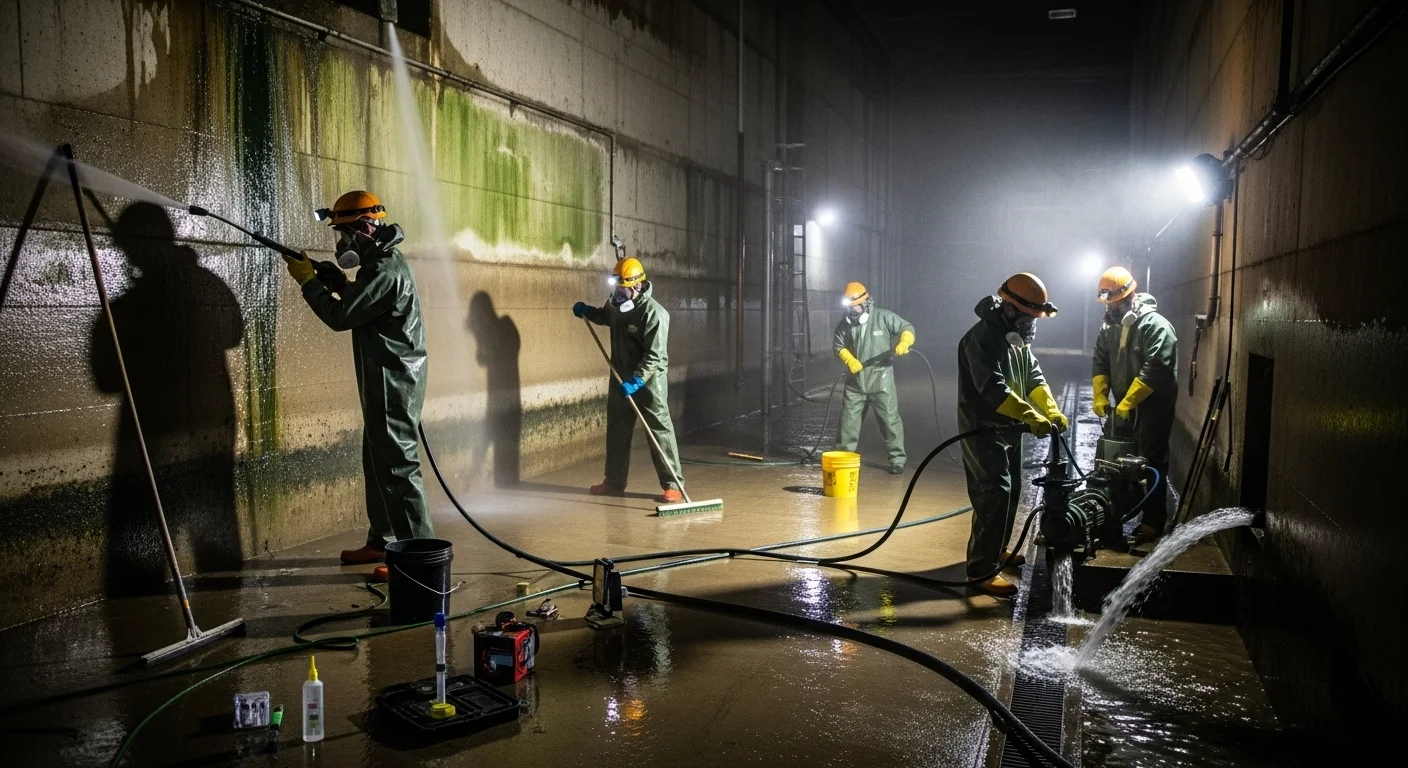
Having a clean underground water tank is very important for your family’s health. The water from this tank is used for drinking, cooking, and bathing. If the tank is dirty, it can make the water unsafe. Cleaning your tank might sound like a big job, but if you follow a clear step-by-step guide, it is simple and manageable. Doing this regularly keeps your water fresh and prevents germs and dirt from building up. A clean tank means clean, safe water for your home.
Inspecting the tank regularly
The first step is a simple inspection. You should look at your tank often, even when it is not time for a full clean. Check the tank cover. Make sure it is closed tightly and has no cracks or holes. Look inside the tank opening with a flashlight. Do you see any dirt, leaves, or insects floating on the water? Do the walls look slimy or have a green color? Does the water have a bad smell? Regular inspections help you catch small problems before they become big, unhealthy messes. Make this a monthly habit.
Cleaning schedule (monthly, quarterly)
Having a cleaning schedule is the best way to remember. For a simple check and quick clean, you should do a monthly task. Every month, just check the cover and the area around the tank. Remove any leaves or trash. For a full, deep clean, you need a quarterly schedule. This means cleaning the entire tank completely every three months. This is the most important schedule to follow. Mark these dates on your family calendar so no one forgets. Regular cleaning stops dirt from building up too much.
Emptying and scrubbing the tank
For the deep clean, you must empty the tank first. Turn off the water pump. Use a bucket or a water pump to remove all the water from the tank. Be careful, and ask an adult for help. After the tank is empty, it is time for scrubbing. Put on rubber boots and gloves. Use a long-handled scrub brush. Mix a cleaning solution of mild detergent or baking soda with water. Do not use strong soap or chemicals. Scrub the walls, floor, and ceiling of the tank thoroughly. Scrub until all slimy or dirty spots are gone. This removes the layer where germs can live.
Using mild disinfectants or chlorine tablets
After scrubbing and rinsing, you need to disinfect. This step kills any remaining germs. You can use mild disinfectants made for water tanks. A common and safe method is using chlorine tablets. You can buy these from a hardware or water filter shop. Follow the instructions on the package carefully. Usually, you dissolve the right number of tablets in a bucket of water and spread this solution all over the inside of the empty tank. Let it sit for about 30 minutes. The chlorine will kill bacteria and viruses, making the tank hygienic.
Flushing the tank completely
The final cleaning step is flushing. After the disinfectant has done its job, you must rinse the tank very well. Use clean water to wash the inside walls and floor. You need to rinse two or three times to make sure all the cleaning solution and chlorine are gone. No soap or chemical should remain. Any leftover chlorine can make your drinking water taste and smell bad. Once the water you rinse with runs clear, your tank is clean and ready to be filled with fresh, safe water for your family.
Preventive Measures for Clean Water Tanks
Cleaning your tank is great, but stopping dirt from getting in is even better. Preventive measures help you keep the tank cleaner for longer. These are simple habits and small fixes that protect your water from the start. By being proactive, you make the big cleaning jobs easier and less frequent.
Installing mesh or filters at tank inlets
The water coming into your tank can bring sand, silt, and small insects. To stop this, install a fine mesh or a filter on the water inlet pipe. This is like putting a net on the pipe. The water can flow through, but the dirt and bugs get caught in the mesh. You can buy a simple mesh filter from a plumbing shop. Check and clean this mesh every month during your inspection. This one small step prevents a lot of mud from settling at the bottom of your tank.
Covering the tank properly
A tight tank cover is your best friend. Make sure the lid on your underground tank fits perfectly and locks in place. It should have no gaps or cracks. A good cover stops many things: it prevents leaves and trash from blowing in, it keeps insects and rodents out, and it stops sunlight from reaching the water. Sunlight can help green algae grow in the water. Always check that the cover is sealed after anyone opens it to check the water level.
Avoiding stagnant water accumulation
Stagnant water is water that sits without moving for a long time. Still water is a perfect home for mosquitoes and bacteria. To avoid this, try to use the water in your tank regularly. Do not let it sit full for weeks without being used. The movement of water flowing in and out helps keep it fresh. If you are going away for a long time, try to empty the tank or have a neighbor use some water from it. Moving water is healthier water.
Regular maintenance and inspection
The most important prevention is regular care. Do not ignore your tank. Stick to your monthly inspection schedule. Look, listen, and smell. Fix small problems immediately. If a pipe is leaking near the tank, fix it so mud does not wash in. If the cover is broken, replace it. This constant, gentle attention is the best way to prevent a big, unhealthy problem from ever starting.
Safe Water Treatment Options for Underground Tanks in Pakistan
After cleaning, you want to keep the water safe from germs. In Pakistan, you have several safe water treatment options. These methods kill harmful bacteria and viruses that might enter the tank. You can choose a method based on what is available and what you prefer for your family.
Chlorination and disinfection methods
Chlorination is the most common and reliable method. You can use chlorine tablets or liquid chlorine bleach that is made for disinfecting water. You must use the correct amount. For liquid bleach, usually, you add one teaspoon (5 ml) of bleach to every 1000 liters of water. You can ask a chemist or water expert for the exact dose. Mix the chlorine in a bucket of water first, then pour it into the full tank. This method is very effective at killing germs and is used all over the world to make water safe.
Eco-friendly and chemical-free water purifiers
If you do not want to use chemicals, you have eco-friendly options. You can install a UV (Ultraviolet) water purifier system. This system has a special light that kills germs as the water passes by it. Another good option is a water filter with ceramic candles. These candles have tiny holes that trap bacteria and dirt. You need to clean these filters regularly. These methods clean the water without adding any taste or chemicals, which many families prefer.
Using UV or ozone treatment systems
For a more advanced solution, you can use UV or ozone systems. A UV purifier, as mentioned, uses light. An ozone treatment system puts a small amount of ozone gas (a form of oxygen) into the water. This gas is a powerful disinfectant that kills germs and also removes bad smells. These systems are more expensive but are very effective and automated. They are good choices if you can afford the initial setup and want hands-off protection for your tank water.
Professional Cleaning Services in Pakistan
Sometimes, cleaning the tank yourself is too difficult, or the tank is very dirty. In these cases, you can hire professional cleaning services in Pakistan. These companies have the tools and experience to do a perfect job.
When to hire professional tank cleaners
You should call a professional if:
- The tank is very large and deep, making it unsafe for you to enter.
- The water is extremely dirty, muddy, or has a very bad smell that home cleaning did not fix.
- You see visible algae growth or slime on the walls.
- You simply do not have the time or ability to do the hard work of scrubbing and flushing.
Average cost of professional tank cleaning
The cost depends on the size of your tank (in liters) and your location. On average, for a standard home underground tank (about 1000 to 2000 liters), professional cleaning can cost between Rs 2,500 to Rs 6,000. The price includes emptying, scrubbing, disinfecting, and refilling the tank with clean water. Always ask for a clear quote before they start the work.
Benefits of professional service
Hiring a professional has great benefits. They have powerful pumps to empty water quickly. They use high-pressure jets to scrub the walls clean without harsh chemicals. They know the correct amount of disinfectant to use. They also inspect for cracks or leaks that you might miss. Most importantly, they save you time and hard labor, and you can be sure the job is done thoroughly for your family’s health.
Tips for Maintaining Clean Water for Long-Term Use
Keeping water clean is an ongoing job. Here are some simple tips for long-term maintenance. These habits will help ensure the water from your tank stays safe and fresh every day.
Regular cleaning schedule
We said it before, but it is the most important tip: stick to your schedule! Do not skip the quarterly deep clean. Put reminders on your phone. A regular schedule prevents the build-up of dangerous bacteria and sediment. Clean water is not a one-time task; it is a regular commitment to your family’s health.
Avoiding contamination during water collection
Be careful when you take water out of the tank. Always use a clean bucket or jug that is only used for water. Do not let the bucket touch the ground or dirty surfaces before dipping it in. If you have a tap on the tank, use that instead of opening the lid. This prevents dirt from your hands or tools from falling into the clean water.
Educating family members about hygiene
Everyone in the house should help. Educate your family about why the water tank needs to stay clean. Teach children not to play near the tank cover. Show everyone how to collect water properly. When the whole family understands, it is easier to maintain good habits and keep your water supply safe together.
Common Mistakes to Avoid While Cleaning Water Tanks
People sometimes make errors that can ruin their cleaning effort or even make the water worse. Avoid these common mistakes to do the job right.
Using harsh chemicals
Never use harsh chemicals like toilet cleaner, strong acid, or heavy-duty floor soap to clean the tank. These chemicals can stick to the walls and mix with your drinking water. They are poisonous and can make your family very sick. Always use mild detergents or cleaners that are labeled safe for water tanks.
Ignoring tank covers or mesh
After cleaning, do not forget the prevention tools! If you clean the tank but leave a broken cover or a dirty inlet filter, all your hard work is wasted. Dirt and insects will get back in immediately. Always check and fix the cover and filters as part of your cleaning routine.
Skipping regular cleaning schedules
The biggest mistake is getting lazy and skipping cleans. People think, “The water looks clear, it should be fine.” But germs you cannot see can be growing. Sticking to the quarterly schedule is non-negotiable for safe water. Do not delay or postpone the clean.
Frequently Asked Questions (FAQs)
How often should underground water tanks be cleaned in Pakistan?
In Pakistan’s climate, you should do a full deep cleaning of your underground water tank at least every three months (quarterly). This is the best way to prevent sludge, bacteria, and mosquito larvae. Additionally, do a quick visual inspection every month to check the cover and water condition.
Is chlorine safe for drinking water?
Yes, when used in the correct, small amounts, chlorine is very safe and is the most common way to disinfect water worldwide. The key is to use the right dose (like specific chlorine tablets for water tanks) and to flush the tank well afterwards so no strong chlorine taste remains in the water. It kills harmful germs that cause diseases.
Can a dirty tank cause serious health issues?
Yes, absolutely. A dirty water tank is a breeding ground for bacteria, viruses, and parasites. Drinking or using this contaminated water can cause serious health issues like typhoid, cholera, diarrhea, dysentery, and skin infections. Keeping your tank clean is a direct way to protect your family from these illnesses.
Final Conclusion
Summary of how to keep underground water tank clean
Keeping your underground water tank clean involves a regular schedule of inspection, emptying, scrubbing, and disinfecting. Use safe methods like mild cleaners and proper chlorination. Prevent problems with good covers and inlet filters. For tough jobs, professional services are available.
Best practices for Pakistani households
The best practices are:
- Clean Quarterly: Deep clean every 3 months without fail.
- Inspect Monthly: Check covers and water appearance.
- Use Safe Disinfectant: Chlorine tablets are a reliable choice.
- Seal the Tank: Keep a tight-fitting lid always on.
- Educate Everyone: Make tank hygiene a family responsibility.
Final expert recommendations for safe and clean water
Do not take chances with your water. It is essential for life. Commit to the quarterly cleaning schedule. If you cannot do it yourself, invest in a professional service—it is worth the cost for your health. Combine cleaning with simple prevention like a good cover and filter. Clear, safe water from your tap starts with a clean tank. Make this a priority for a healthier home.
Conclusion: Don’t Risk Your Health!
A professional water tank cleaning service ensures:
Disease-free water
Better-tasting, odor-free supply
Longer tank durability
Legal compliance for businesses
Schedule a Cleaning Today! Protect your family and customers with a hygienic, contaminant-free water tank.
0309 295925– Your trusted partner in water safety!