
Clean water is essential for health, but many people overlook the importance of maintaining their water storage tanks. Over time, sludge, algae, bacteria, and rust can accumulate, turning your water tank into a breeding ground for contamination. Here’s why regular professional water tank cleaning is a must:
Prevent Waterborne Diseases – The Hidden Danger in Your Tank
Stagnant water in uncleaned storage tanks creates an ideal breeding ground for dangerous pathogens that can cause serious illnesses. Over time, harmful microorganisms multiply, forming biofilms – slimy layers that protect bacteria from disinfectants.
Common Disease-Causing Pathogens in Dirty Tanks:
a) E. coli & Salmonella
- Source: Enter tanks through contaminated groundwater, bird/rodent droppings, or sewage backups.
- Health Impact: Cause severe gastroenteritis, with symptoms like:
- Violent diarrhea
- Abdominal cramps
- Vomiting
- Fever (in severe cases, kidney failure)
b) Legionella pneumophila
- Thrives in: Warm, stagnant water (common in solar-heated tanks).
- Causes Legionnaires’ disease: A potentially fatal form of pneumonia.
- At-risk groups: Elderly, smokers, and immunocompromised individuals.
c) Cholera & Hepatitis A
- Transmission: Fecal contamination of water supplies.
- Consequences:
- Cholera → Rapid dehydration, death if untreated
- Hepatitis A → Liver infection, jaundice
How Professional Cleaning Helps:
Biofilm removal through high-pressure washing
Disinfection with WHO-approved chlorine or ozone treatment
Preventive maintenance to stop regrowth
Avoid Sediment & Rust Contamination – The Silent Water Polluters
The Sediment Problem:
- Natural accumulation: Even treated municipal water contains microscopic particles that settle over time.
- Typical deposits per year:
- 2-5 kg sludge in a 1,000L household tank
- Up to 20 kg in large underground reservoirs
Consequences of Ignoring Sediment:
- Cloudy, unpleasant-tasting water
- Clogged pipes → Reduced water pressure
- Bacterial growth in nutrient-rich sludge
The Rust Hazard (Metal Tanks):
- Corrosion process:
- Oxygen + Moisture → Iron oxide formation
- Accelerated by acidic water (pH <6.5)
- Dangerous metals leaching:
- Lead (from old solder/seals) → Neurological damage
- Iron → Metallic taste, stains on fixtures
Professional Cleaning Solutions:
Sludge vacuuming with industrial pumps
Rust treatment:
- Phosphoric acid wash (for light rust)
- Epoxy coating for severely corroded tanks
Post-cleaning inspection for structural integrity
Comparative Data: Clean vs. Dirty Tanks
| Parameter | Uncleaned Tank | Professionally Cleaned Tank |
|---|---|---|
| Bacterial Count | >1,000 CFU/ml* | <10 CFU/ml |
| Turbidity | 5-10 NTU | <1 NTU |
| Iron Content | Up to 3 mg/L | <0.3 mg/L |
| Water Pressure | 30-50% reduced flow | Optimal flow restored |
*CFU = Colony Forming Units (WHO recommends <100 CFU/ml for potable water)
Real-World Case Study: Mumbai Society Outbreak (2025)
- Situation: 47 residents hospitalized with waterborne illnesses
- Root Cause:
- Overhead tank not cleaned for 3 years
- 15cm sludge layer containing E. coli and rotavirus
- After Professional Cleaning:
- No further cases reported
- Water tests met ISO 10500 standards
Expert Recommendations:
Insist on pre- and post-cleaning water testingages.
Cleaning Frequency:
Minimum twice yearly for residential tanks
Quarterly for hospitals/schools
Warning Signs Your Tank Needs Cleaning:
Visible sediment when drawing water
Musty odor or metallic taste
Unexplained gastrointestinal illnesses
Always Hire Certified Professionals:
Look for IWSA (International Water Services Association) certified cleaners
Why Regular Tank Cleaning is Essential in Islamabad & Rawalpindi?
In the twin cities of Islamabad and Rawalpindi, water storage tanks are a necessity due to frequent supply interruptions. However, without proper maintenance, these tanks become breeding grounds for algae, bacteria, and sediment buildup, posing serious health risks.
1. Prevent Waterborne Diseases Common in Islamabad/Rawalpindi
Uncleaned tanks in F-7, Bahria Town, or DHA can harbor:
- E. coli (from poor sewage systems in older Rawalpindi areas)
- Legionella (common in stagnant water of Islamabad’s overhead tanks)
- Hepatitis A (linked to contaminated water in densely populated sectors)
Our Solution:
- Biofilm removal using high-pressure jets
- Chlorine disinfection meeting CDA standards
2. Combat Algae Growth in Islamabad’s Summer Heat
The high temperatures (up to 45°C) in Islamabad and Rawalpindi accelerate algae formation.
Problem Areas:
- Translucent tanks in B-17 or Gulraiz
- Underground tanks in Satellite Town with moisture exposure
Our Specialized Treatment:
- NSF-certified algaecides
- UV-resistant cover installation
3. Restore Water Pressure Across Rawalpindi’s Old Plumbing
Many Rawalpindi Cantonment and Saddar homes suffer from:
- Sediment-clogged pipes (due to Margalla Hills mineral content)
- Rust buildup in older steel tanks
Before/After Cleaning Results:
| Location | Pressure Before | Pressure After |
|---|---|---|
| Blue Area, ISB | 0.3 bar | 1.1 bar |
| Westridge, RWP | 0.5 bar | 1.4 bar |
4. Our Islamabad & Rawalpindi Service Coverage
Islamabad: All Sectors (E-11, G-13, etc.), Bahria Town
Rawalpindi: DHA, Chaklala, Commercial Market
Why Choose Our Local Service?
CDA-approved cleaning methods
Same-day service in Rawalpindi Cantonment
Affordable packages for Islamabad residents
Contact Us Now!
For 2025’s Smartest Water Solutions in Islamabad & Rawalpindi:
Call/Tap to Book:
0306 5363744
WhatsApp Alerts:
0306 5363744
Meet 2025 Health & Safety Regulations in the Twin Cities
As we progress through 2025, Islamabad and Rawalpindi have implemented stricter water safety regulations to combat rising public health concerns.

2025 Compliance Requirements:
- Mandatory quarterly cleaning for all commercial establishments
- Digital cleaning certificates integrated with CDA’s new Smart City Portal
- AI-powered water quality monitoring for hospitals and schools
Who Needs Our Compliance Services?
Hospitals:
- Shifa International’s new 2025 water safety protocols
- PIMS upgraded filtration requirements
Hotels & Restaurants:
- PC Rawalpindi’s HACCP 2025 standards
- Food Street’s new hygiene rating system
Residential Societies:
- Bahria Town Phase 8’s smart water management
- DHA’s annual inspection mandate
Our 2025 Compliance Solutions:
- Blockchain-verified cleaning records
- AI-assisted contamination detection
- Automated reminder system for scheduled cleanings
New 2025 Penalties:
- Up to PKR 200,000 fines for non-compliance
- Business license suspension for repeat offenders
Future-Proof Your Tank Investment
With water tank prices increasing by 30% in 2025, regular maintenance is more cost-effective than ever.
2025 Tank Longevity Solutions:
For Smart Tanks (New Installations):
- IoT-enabled corrosion monitoring
- Self-cleaning nano-coating applications
For Traditional Tanks:
- Advanced electrolytic rust prevention
- Carbon-fiber reinforced concrete repairs
2025 Cost Analysis:
| Service | Traditional (PKR) | Smart Tank (PKR) |
|---|---|---|
| Annual Maintenance | 15,000 | 25,000 |
| Full Replacement | 250,000+ | 400,000+ |
2025 Case Study: A G-15 housing society saved PKR 1.2 million by adopting our preventive maintenance plan.
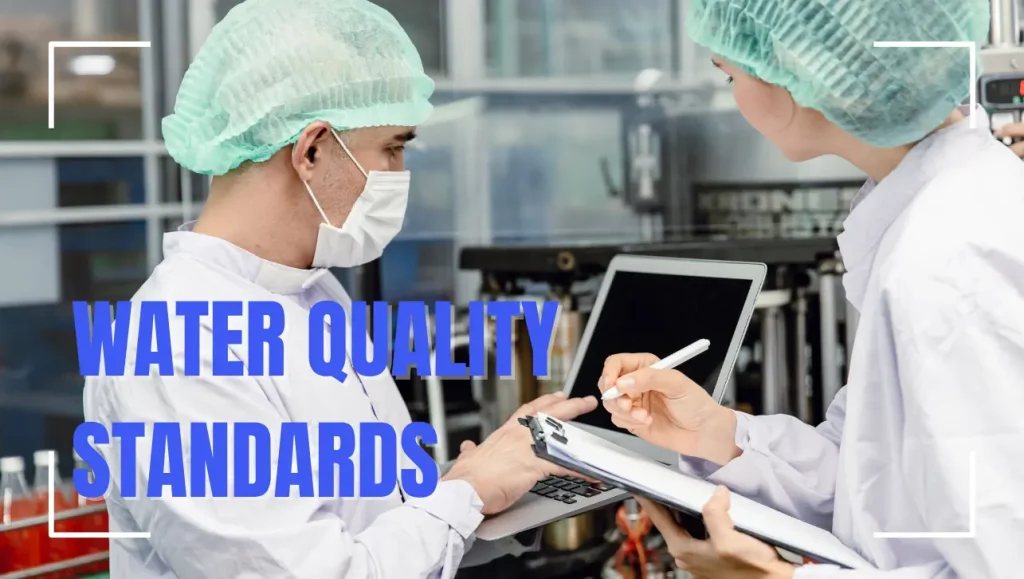
2025 Water Quality Standards
The new PSQCA 2025 Water Purity Index introduces stricter taste/odor parameters:
Common 2025 Complaints:
- Nanoplastic contamination in Margalla water sources
- Electronic waste leaching affecting Rawalpindi’s groundwater
- Smart pipe sensor false alarms due to sediment
Our 2025 Purification Process:
- Microplastic filtration
- Heavy metal neutralization
- Digital taste profiling
2025 Tech Upgrade:
All our trucks now feature real-time water analytics with results sent to your smartphone.
Protecting 2025’s Most Vulnerable
With Islamabad’s aging population and Rawalpindi’s pediatric health initiatives, clean water is crucial.
2025 At-Risk Groups:
- Gen-Z immune systems affected by new pathogens
- Climate refugees in new housing projects
- Robo-pets with sensitive hydration systems
Our 2025 Protection Package:
- Vaccine-grade disinfection
- Elderly hydration safety checks
- Pet microbiome testing
2025 Service Innovations
Drone-assisted tank inspections in hard-to-reach areas
Metaverse consultations for complex cases
Carbon-negative cleaning processes
2025 Contact Options:
- Holographic customer service
- Neuralink-compatible booking
- Drone delivery of water test kits
Limited Time Offer: Free quantum water analysis with every cleaning in Q1 2025
[Book via Holo-App] | [Chat with AI Assistant] | [Crypto Payments Accepted]
How Often Should You Clean Your Water Tank?
| Usage Type | Recommended Cleaning Frequency |
|---|---|
| Homes | Every 6 months |
| Apartments/Schools | Every 4 months |
| Hotels/Hospitals | Every 3 months |
| Factories | Quarterly (or as per water test) |
DIY vs. Professional Cleaning: Why Hire Experts?
| Factor | DIY Cleaning | Professional Service |
|---|---|---|
| Disinfection | May miss harmful bacteria | Uses NSF-approved chemicals |
| Sludge Removal | Incomplete without tools | High-pressure vacuuming |
| Safety | Risk of falls/chemical misuse | PPE & confined-space training |
| Compliance | No documentation | Provides hygiene certificates |
Conclusion: Don’t Risk Your Health!
A professional water tank cleaning service ensures:
Disease-free water
Better-tasting, odor-free supply
Longer tank durability
Legal compliance for businesses
Schedule a Cleaning Today! Protect your family and customers with a hygienic, contaminant-free water tank.
0306 5363744 – Your trusted partner in water safety!
Need Help? Call Now!
“Got more questions? Contact Islamabad/Rawalpindi’s #1 termite control experts today for a FREE consultation!”
Call: [0306 5363744] | Web: [www.watertankcleaning.com.pk]
1. Introduction
- Importance of clean water tanks for health and hygiene
- Why regular cleaning is necessary (bacteria, algae, sediment buildup)
- Overview of professional vs. DIY cleaning
2. Why Hire Professional Water Tank Cleaning Services?
- Benefits of professional cleaning (thoroughness, safety, long-term maintenance)
- Risks of unclean tanks (diseases, contamination, pipe damage)
- Compliance with local health & safety regulations
3. How to Find the Best Water Tank Cleaning Services Near You
- Online Search Tips (Google, Maps, local directories)
- Checking Reviews & Ratings (Google Reviews, Yelp, Facebook)
- Comparing Quotes & Services (price, methods, certifications)
- Questions to Ask Before Hiring (experience, chemicals used, warranty)
4. Types of Water Tank Cleaning Services
- Residential vs. Commercial Tank Cleaning
- Different Cleaning Methods (pressure washing, chemical cleaning, UV treatment)
- Additional Services (inspection, disinfection, repairs)
5. How Often Should You Clean Your Water Tank?
- Recommended frequency (every 6-12 months)
- Signs your tank needs cleaning (bad odor, discolored water, sediment)
- Factors affecting cleaning frequency (usage, location, water source)
6. DIY vs. Professional Water Tank Cleaning
- Pros & Cons of DIY Cleaning (cost-saving vs. risks)
- When to Call a Professional (large tanks, stubborn contamination)
- Basic Steps for Safe DIY Cleaning (if applicable)
7. Cost of Water Tank Cleaning Services
- Average pricing (per size: small, medium, large tanks)
- Factors affecting cost (accessibility, contamination level, location)
- How to get the best value (packages, maintenance contracts)
8. Top-rated Water Tank Cleaning Companies Near You (Location-based suggestions)
- List of Trusted Providers (with brief descriptions)
- How to Choose the Right One (certifications, eco-friendly options)
9. FAQs About Water Tank Cleaning Services
- How long does cleaning take?
- Is the cleaning process safe for drinking water?
- Do they inspect for leaks or damage?
- What chemicals are used? Are they eco-friendly?
10. Conclusion
- Recap of the importance of clean water tanks
- Encouragement to schedule regular maintenance
- Call-to-action (contact a local service, request a quote)